

Discover the critical indicators that signal an urgent need for veterinary care for your beloved pet. Recognizing these seven crucial signs can make a life-saving difference in the well-being of your furry companion veterinary hospital.
From sudden weakness to uncontrolled bleeding, being aware of these warning signals empowers pet owners to act swiftly and decisively in seeking essential medical attention at the vet hospital.
Prioritize your pet’s health and safety by staying informed and vigilant.
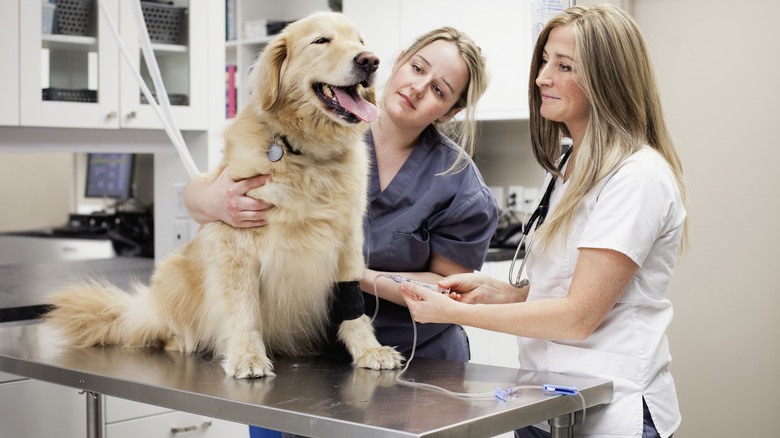
Sudden Weakness or Lethargy
When your pet displays sudden weakness or lethargy, it is crucial to seek immediate veterinary attention to rule out any serious underlying health issues.
These symptoms could indicate a range of medical conditions, from infections to organ dysfunction. Providing prompt medical care for your pet is essential for ensuring their well-being and preventing any potential complications.
By consulting with a veterinarian, you can receive a proper diagnosis and treatment plan tailored to your pet’s specific needs. Remember, early intervention is key to addressing health concerns effectively and promoting a swift recovery.
Prioritizing your pet’s health and seeking timely veterinary care will help guarantee their freedom to live a healthy and happy life.
Difficulty Breathing
Seek immediate veterinary attention if your pet is experiencing difficulty breathing. Labored breathing, wheezing, coughing, or an increased respiratory rate can indicate serious underlying issues such as heart failure, pneumonia, or an obstructed airway.
Difficulty breathing in pets can be caused by various factors, including respiratory infections, allergies, heart disease, or even trauma. It is crucial not to ignore any signs of respiratory distress, as prompt medical intervention can be life-saving.
If your pet is struggling to breathe, do not attempt to diagnose the problem yourself. Contact your veterinarian or an emergency vet hospital immediately. Quick action can make a significant difference in your pet’s prognosis and quality of life.
Severe Vomiting or Diarrhea
Severe vomiting or diarrhea in pets can be indicative of serious health issues that require immediate veterinary evaluation. Persistent vomiting or diarrhea can lead to dehydration, electrolyte imbalances, and potentially life-threatening complications. If your pet is experiencing severe vomiting or diarrhea, it’s essential to seek veterinary care promptly.
Causes of these symptoms range from ingestion of toxins or foreign objects to infectious diseases or underlying medical conditions. Your vet will perform a thorough examination, possibly including blood work or imaging tests, to determine the root cause and provide appropriate treatment. Delaying veterinary intervention can worsen your pet’s condition and make treatment more challenging.
Therefore, if your pet is exhibiting severe vomiting or diarrhea, it’s crucial to contact your veterinarian without delay.
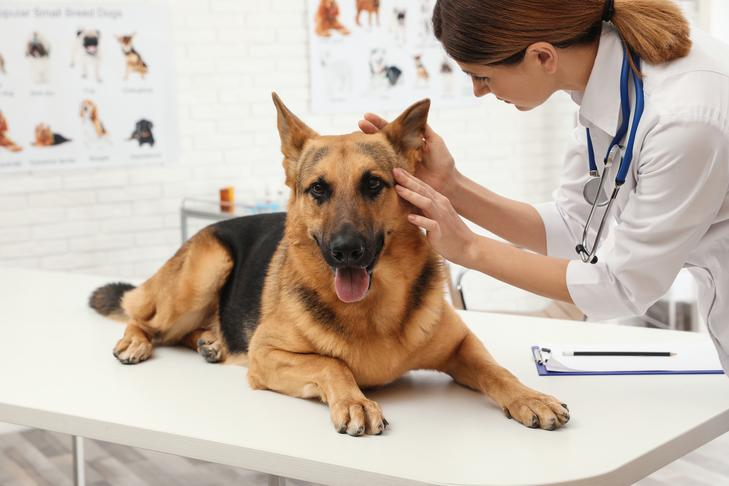
Pale Gums or Tongue
Indicative of potential health concerns, pale gums or tongue in pets warrant immediate evaluation by a veterinarian. Normally, a pet’s gums should be a healthy pink color, and their tongue should also appear pink. Pale gums or tongue can indicate various serious conditions such as anemia, internal bleeding, shock, or other underlying illnesses.
When a pet’s gums or tongue appear pale, it suggests a lack of oxygenated blood circulating in their body, which requires urgent veterinary attention. Additionally, pets with pale gums may exhibit symptoms like weakness, lethargy, rapid breathing, or collapse.
If you notice your pet’s gums or tongue looking pale, do not delay seeking professional veterinary care to ensure their well-being and prompt treatment.
Uncontrolled Bleeding
Uncontrolled bleeding in pets necessitates immediate veterinary assessment and treatment to prevent further complications. When a pet experiences uncontrolled bleeding, it can be a sign of a serious underlying issue such as trauma, internal injuries, ingestion of toxic substances, or a blood clotting disorder.
External bleeding from a wound or injury that doesn’t stop or slows down after applying pressure is a cause for concern. Similarly, signs of internal bleeding such as pale gums, weakness, collapse, or blood in vomit or feces require urgent veterinary attention.
Prompt intervention is crucial to stabilize the pet, stop the bleeding, and address any underlying problems to ensure the best possible outcome.
Seizures or Convulsions
Upon observing seizures or convulsions in your pet, immediate veterinary evaluation is crucial to determine the underlying cause and provide appropriate treatment. Seizures can be caused by various factors such as epilepsy, poisoning, brain tumors, or metabolic issues.
During a seizure, your pet may experience uncontrolled shaking, loss of consciousness, drooling, or paddling movements. It is essential to seek veterinary care promptly as seizures can be life-threatening and may lead to long-term health complications if left untreated.
Your veterinarian will conduct a thorough physical examination, possibly including blood tests, imaging studies, or neurological evaluations to diagnose the underlying condition. Treatment options may include medication to control seizures, dietary changes, or surgery depending on the cause identified.
Inability to Urinate
If your pet is showing signs of inability to urinate, prompt veterinary attention is necessary to address the potential underlying issues. This condition, known as urinary retention, can be caused by various factors such as urinary tract blockages, bladder stones, or infections.
It is crucial to seek immediate veterinary care as the inability to urinate can lead to serious complications, including kidney damage and rupture of the bladder. Signs that your pet may be experiencing difficulty urinating include straining, vocalizing during urination, frequent attempts to urinate with little to no output, blood in the urine, or excessive licking of the genital area.
A veterinarian will perform a thorough examination, which may include diagnostic tests like X-rays or ultrasound, to determine the cause and provide appropriate treatment.
Conclusion
In conclusion, recognizing these signs in your pet can help you determine when a visit to the vet hospital is necessary. Prompt medical attention is crucial in ensuring the health and well-being of your pet.
By being vigilant and observant of any unusual symptoms, you can help prevent any potential health emergencies and ensure your pet receives the necessary care they need.
